Coriander is one of the most popular and versatile spices used in Indian cooking. Known for its refreshing aroma, distinctive flavor, and natural goodness, coriander has been an important part of traditional Indian cuisine for centuries. From whole coriander seeds to finely ground fresh leaves of this, this spice adds a unique taste and aroma to a wide variety of dishes.
Whether you are preparing a traditional curry, dal, vegetable dish, chutney, or spice blend, it can enhance the overall flavor of the food. Besides its culinary importance, It is also valued for its traditional uses and nutritional properties.
In this article, we will explore what it is, its different forms, popular uses, potential benefits, and why it deserves a special place in your kitchen.
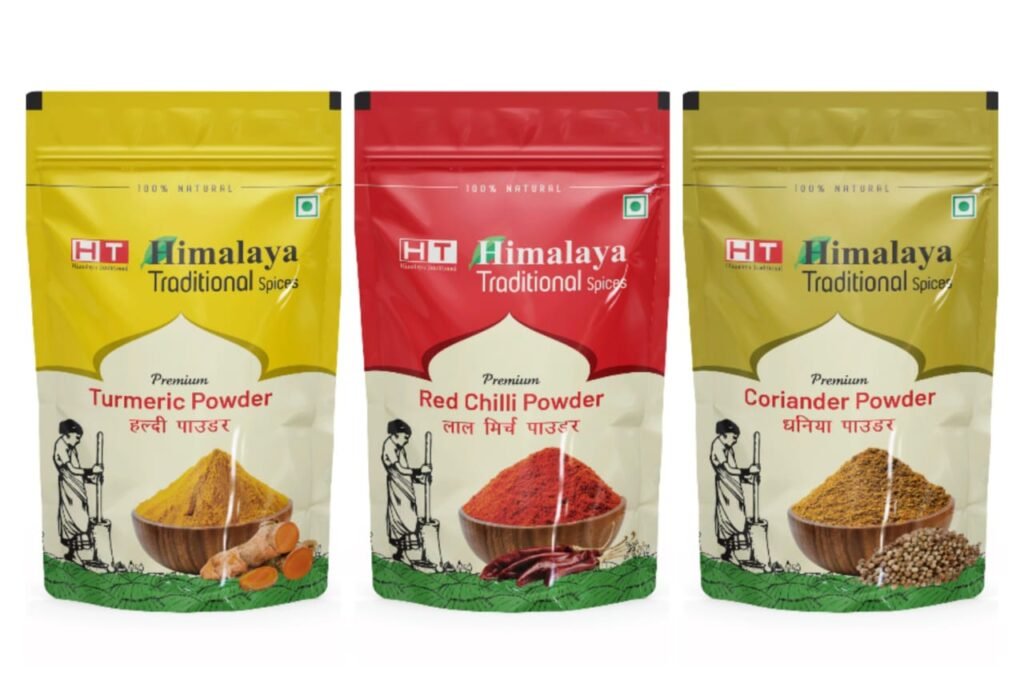
What Is Coriander?
It is comes from the coriander plant, scientifically known as Coriandrum sativum. It is an aromatic herb that belongs to the parsley family. Interestingly, almost every part of the plant can be used. The fresh green leaves are commonly known as coriandar leaves or cilantro, while the dried seeds are commonly called coriandar seeds.
these seeds are small, round, and light brown in color. They have a warm, slightly citrusy and earthy flavor. When roasted, these seeds develop an even richer aroma and are frequently used in Indian spice blends.
Its powder is made by grinding dried seeds into a fine powder. It is one of the basic spices found in many Indian households and is widely used to give dishes a balanced, aromatic flavor.
Coriander Seeds and Coriander Powder
It is available in several forms, but its seeds and powder are particularly popular.
Coriander seeds can be used whole, crushed, or roasted. They are often added to pickles, curries, spice mixtures, and homemade masalas. Roasting the seeds lightly before grinding can bring out their natural oils and improve their fragrance.
Coriander powder is convenient for everyday cooking. It blends easily with other spices and is commonly added while preparing gravies, vegetables, dals, soups, and other savory dishes.
For the best flavor, Its powder should be stored in an airtight container away from direct sunlight, moisture, and excessive heat.
Uses of Coriander in Indian Cooking
This is an essential ingredient in many Indian recipes. Its mild yet distinctive flavor makes it suitable for both vegetarian and non-vegetarian dishes.
Here are some popular uses of coriander:
1. Curries and Gravies
Coriander powder is frequently used in Indian curries and gravies. It combines well with spices such as cumin, turmeric, chili, and garam masala. It helps create a rich and aromatic base for many traditional dishes.
2. Spice Blends
Coriander seeds are an important ingredient in several homemade and commercial spice blends. They are often combined with cumin, black pepper, cardamom, cloves, and other spices to create flavorful masalas.
3. Chutneys
Fresh leaves of this spices are widely used to prepare green chutney. Its chutney can be combined with mint, green chili, lemon juice, ginger, and other ingredients to create a refreshing accompaniment for snacks and meals.
4. Pickles
Its seeds can also be used in different types of pickles. Their warm, aromatic flavor complements vegetables and other traditional pickle ingredients.
5. Rice and Lentil Dishes
A small amount of coriander powder can add depth and aroma to rice dishes, dal, and lentil preparations. Fresh leaves are also commonly used as a garnish before serving.
Potential Benefits of Coriander
This is appreciated not only for its flavor but also for its nutritional value. Coriander contains naturally occurring plant compounds and provides small amounts of nutrients when consumed as part of a balanced diet.
Some commonly discussed potential benefits:
Supports a Healthy Diet
this can be included in everyday meals without adding large amounts of calories. Using herbs and spices such as coriander can also make simple meals more flavorful.
Contains Antioxidant Compounds
It has contains plant compounds with antioxidant properties. Antioxidants help protect cells from oxidative stress, although eating coriander should not be considered a treatment for any medical condition.
Traditionally Used for Digestion
It has a long history of traditional culinary and wellness use. Coriander seeds and preparations made from them have traditionally been associated with digestive comfort.
Adds Flavor Naturally
One of the simplest advantages of coriander is its ability to improve the flavor and aroma of food. This makes it an excellent ingredient for creating delicious meals with a variety of spices and herbs.
It is important to remember that while coriander can be part of a healthy diet, it should not be considered a substitute for professional medical treatment or a balanced lifestyle.
How to Store Coriander Properly
Proper storage is important to maintain the freshness and aroma.
These seeds should be kept in a clean, dry, airtight container. Store them in a cool place away from direct sunlight and moisture.
For coriander powder, an airtight container is especially important because ground spices can lose their aroma faster than whole spices. Avoid storing powder near steam, such as directly beside a cooking stove.
If you regularly use coriander, buying good-quality whole seeds and grinding smaller quantities when required can help preserve freshness and flavor.
How to Choose Good-Quality Coriander
Quality makes a noticeable difference when using spices. Good-quality coriander seeds should have a pleasant, natural aroma and should be free from excessive dust, moisture, or foreign material.
When purchasing coriander powder, choose a trusted spice brand that follows appropriate quality and food-safety standards. Check the packaging, manufacturing information, ingredients, and best-before date.
Freshness is particularly important because the natural aromatic oils in spices contribute significantly to their flavor.
Coriander in Traditional Indian Cuisine
India is known around the world for its diverse use of spices, and coriander is one of the key ingredients in this culinary tradition. Different regions use this in different ways.
In North Indian cooking, its powder is commonly used in vegetable dishes, dals, curries, and gravies. In other parts of India, coriander seeds may be included in regional spice mixtures, chutneys, pickles, and traditional recipes.
Fresh leaves are also widely used as a finishing ingredient. A handful of freshly chopped coriander can add color, aroma, and freshness to a finished dish.
This versatility is one of the main reasons coriander continues to be a staple spice in Indian kitchens.
Why Coriander Is a Must-Have Spice
It is more than just another ingredient in the spice box. Its balanced flavor allows it to work with many different ingredients and cooking styles. It can be used whole, roasted, ground, or fresh, making it one of the most flexible spices available.
From a simple bowl of dal to an elaborate curry, coriander can make everyday food more aromatic and enjoyable. Its traditional importance, culinary versatility, and naturally occurring plant compounds make it a valuable addition to a balanced diet.
Conclusion
It has earned its place as one of the most widely used spices in Indian cuisine. Whether you prefer seeds, coriander powder, or fresh coriander leaves, this versatile ingredient can bring aroma, flavor, and character to countless dishes.
For the best results, always choose fresh, good-quality store it properly to preserve its natural aroma. When used as part of a varied and balanced diet, It can be an excellent addition to everyday cooking.
If you are looking for a spice that combines traditional Indian flavor with remarkable versatility, It is certainly one of the essential spices to keep in your kitchen.